






What Are Nightguards?
Custom Bruxism Protection for Cape Coral Patients
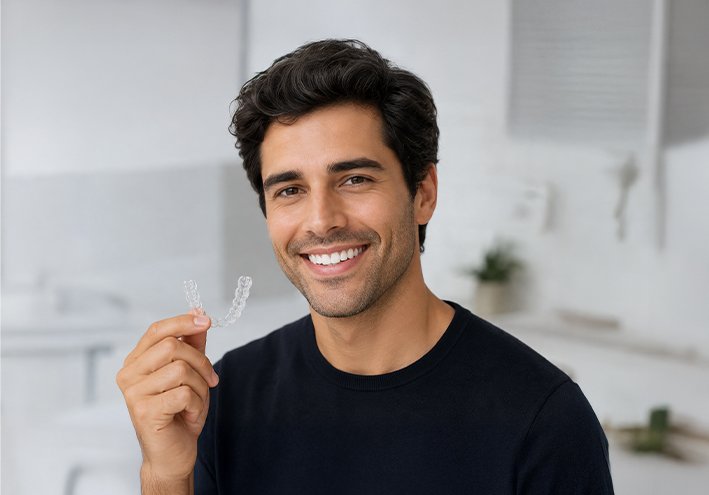
A nightguard is a custom-fitted dental appliance worn during sleep to protect the teeth, jaw joints, and surrounding muscles from the damaging effects of bruxism, the clinical term for nighttime grinding and clenching. Bruxism affects approximately 10% of adults and up to 15% of children, and most people who do it have no awareness of the habit at all. The damage, however, is cumulative and real: worn-down enamel that cannot be naturally replaced, cracked teeth that require crowns or extraction, chronic jaw pain, and morning headaches that begin before the day has started. At Cape Coral Dentistry, custom nightguards are fabricated from precise impressions of each patient’s teeth, producing an appliance that fits accurately, stays comfortable throughout the night, and creates a protective barrier that absorbs grinding forces before they reach the tooth surfaces. A nightguard does not stop bruxism from occurring, but it stops bruxism from causing the damage that would otherwise accumulate night after night.
Benefits of Nightguards
Stopping Irreversible Damage Before It Happens
Tooth enamel does not regenerate. Once it is worn away by grinding, the only way to restore it is through dental treatment such as bonding, veneers, or crowns. A nightguard interrupts this process by placing a durable barrier between the upper and lower teeth, so that the forces of grinding are absorbed by the appliance rather than by the enamel. For patients who are already showing wear, a nightguard halts further progression and protects the tooth structure that remains.
Relief Beyond the Teeth
The impact of bruxism extends well beyond tooth surfaces. Sustained clenching through the night places enormous strain on the temporomandibular joint and the muscles of the jaw, face, temple, and neck. Many patients who grind their teeth wake with jaw soreness, facial tension, earache-like discomfort, or headaches that they have accepted as a normal part of their mornings without connecting them to what happens while they sleep. A properly fitted nightguard reduces this muscle overload significantly, with many patients reporting noticeable improvement in morning comfort within the first few weeks of consistent wear.
A Simple Solution to a Damaging Habit
Bruxism is driven by a combination of stress, sleep architecture, and individual physiology that is difficult to eliminate entirely. Rather than requiring patients to address root causes that may be deeply embedded, a nightguard provides a straightforward, highly effective protective solution that works passively during sleep. There is no behavior change required during waking hours, no ongoing medication, and no complicated regimen. Patients simply wear the appliance at night and wake to teeth and a jaw that have been protected through the night.

Why Choose Cape Coral Dentistry
For Your Custom Nightguard?
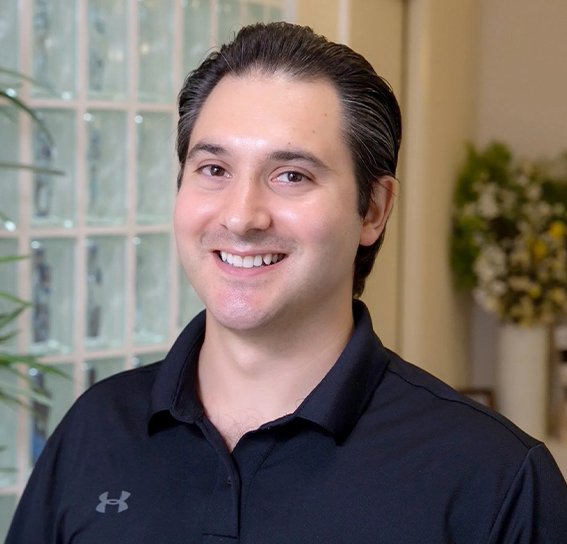
At Cape Coral Dentistry, nightguard fabrication begins with a thorough evaluation of the patient’s teeth and bite to identify the degree of wear, any existing cracks or damage, and the jaw position that will provide the most effective and comfortable protection. Dr. Wesley Nelson takes a precise impression from which the nightguard is custom fabricated, and the fit is verified at a delivery appointment before the patient takes it home. Over-the-counter nightguards are widely available, but their imprecise fit means they often feel uncomfortable enough that patients stop wearing them, which defeats the purpose entirely. A custom appliance from the practice fits correctly from the first night, making consistent wear far more achievable. The team also provides clear guidance on care and maintenance and is available to make adjustments if needed over time.
Key findings
Approximately 10% of adults and up to 15% of children grind or clench their teeth during sleep, with the majority unaware they have the habit until a dentist identifies the signs
Bruxism-related tooth wear is irreversible without restorative intervention, making a nightguard one of the most important protective tools for patients who grind
Custom nightguards reduce bruxism-related tooth damage by up to 70% by absorbing and redistributing grinding forces before they reach enamel surfaces
Temporomandibular joint disorders affect approximately 12% of the population, with nighttime clenching identified as a significant contributing factor in a large share of cases
Nightguard use reduces TMJ-related discomfort and jaw muscle strain by up to 50% in consistent wearers
Chronic morning headaches affect approximately 8% of adults and are frequently linked to nighttime bruxism, with nightguard use reducing headache frequency by up to 58%
Dr. Wesley Nelson evaluates every patient for signs of bruxism at routine exams, as early identification allows for protective intervention before significant damage accumulates
Looking for a New Dentist in Cape Coral?
Cape Coral Dentistry offers a full range of dental services for patients of all ages, all delivered by Dr. Wesley Nelson and his knowledgeable, friendly team in a comfortable boutique office setting. As a family-owned and operated practice, the team is built around honest care, transparent pricing, and personalized treatment plans that reflect each patient’s actual needs and budget. New patients are welcome, same-day appointments are available, and affordable specials starting at $59 make it easy to get started. Whether you need a routine cleaning or a complete smile restoration, Dr. Nelson and his team are equipped to handle your care from start to finish in one convenient location.
Why Nightguards Matter
(prevalence of conditions vs. risk reduction with nightguards at Cape Coral Dentistry)
How common the problem is
Risk Reduction with a Custom Nightguard
Sleep bruxism
Nighttime grinding and clenching
15
70
Enamel wear from grinding
Progressive tooth wear
20
100
TMJ pain and jaw tension
Jaw joint and muscle strain
12
50
Cracked and fractured teeth
Structural tooth damage
15
60
Chronic morning headaches
Bruxism-related tension
8
58
0%
10%
20%
30%
40%
50%
60%
70%
80%
90%
100%
0%
50%
100%
| Condition / What Nightguards Address | How Common the Problem Is | Risk Reduction with a Custom Nightguard |
|---|---|---|
| Sleep bruxism Nighttime grinding and clenching | Approximately 10% of adults and up to 15% of children grind or clench during sleep, most without awareness | Custom nightguards reduce bruxism-related tooth damage by up to 70% |
| Enamel wear from grinding Progressive tooth wear | Up to 20% of adults have measurable tooth wear from grinding, which is irreversible once enamel is lost | A properly fitted nightguard halts further enamel loss in the majority of patients |
| TMJ pain and jaw tension Jaw joint and muscle strain | TMJ disorders affect approximately 12% of the population, with bruxism a significant contributing factor | Nightguard use reduces jaw muscle strain and TMJ discomfort by up to 50% |
| Cracked and fractured teeth Structural tooth damage | Up to 15% of bruxism sufferers experience cracked or fractured teeth from sustained grinding forces | Consistent nightguard wear reduces grinding-related fracture risk by up to 60% |
| Chronic morning headaches Bruxism-related tension | Approximately 8% of adults experience morning headaches linked to nighttime clenching | Nightguard use reduces bruxism-related headache frequency by up to 58% |
Sources: American Academy of Sleep Medicine | AAOP | ADA | Journal of Oral Rehabilitation | Journal of Orofacial Pain | NIDCR
Read Our Verified 5-Star Reviews
Your Trusted Cape Coral Dentist


“Grinding is one of those things patients often do not know they have until we show them the evidence on their teeth. By that point the wear has already happened. A nightguard is the simplest and most effective way to stop the damage from continuing, and for patients with jaw pain or morning headaches, the relief they get from wearing one consistently can be genuinely life-changing.”
Dr. Wesley Nelson
Questions Cape Coral
Dental Patients Ask
How do I know if I grind my teeth at night?
Most people who grind their teeth are unaware of it because the habit occurs during sleep. Common signs that the team at Cape Coral Dentistry looks for during a routine exam include flattened or worn tooth surfaces, small chips along the edges of the front teeth, increased tooth sensitivity, micro-cracks in the enamel, and indentations along the sides of the tongue from pressure. Patients may also notice jaw soreness, facial tension, or headaches upon waking, or a sleep partner may have mentioned hearing grinding sounds during the night. If any of these sound familiar, raising it at the next appointment is worth doing.
Will a nightguard actually stop me from grinding?
A nightguard does not eliminate the grinding behavior itself, as bruxism is largely an involuntary process that occurs during sleep and is difficult to suppress through conscious effort. What a nightguard does is prevent the grinding from damaging the teeth, overloading the jaw joint, and straining the surrounding muscles. The appliance absorbs and redistributes the forces that would otherwise be directed at the enamel and jaw, stopping the damage without needing to stop the habit.
Is a custom nightguard really better than one from the pharmacy?
Significantly, yes. Over-the-counter nightguards are made to approximate average tooth dimensions, which means the fit is imprecise for most individuals. A guard that does not seat fully and accurately tends to shift during wear, create uneven pressure points, and feel uncomfortable enough that patients stop wearing it within days or weeks. A custom nightguard from Cape Coral Dentistry is made from a precise impression and fits the individual’s exact tooth anatomy, staying in place through the night without discomfort and providing consistent, even protection across all tooth surfaces.
How long does it take to get used to sleeping with a nightguard?
Most patients adapt to wearing a nightguard within one to two weeks. The first few nights may feel unfamiliar, particularly for patients who have never worn any dental appliance during sleep, but because a custom guard fits precisely rather than feeling bulky or loose, the adjustment period is typically short. Wearing the guard consistently every night from the start, rather than on and off during the adjustment period, tends to produce faster habituation.
How do I care for my nightguard?
The appliance should be rinsed with cold water immediately after removal each morning and cleaned with a soft toothbrush and mild soap or a non-abrasive denture cleaner. It should be stored in its hard case during the day, away from heat and direct sunlight, both of which can warp the material and alter the fit. Bringing the nightguard to dental appointments allows the team to inspect it for wear and verify that the fit remains accurate over time. With proper care, a well-made custom nightguard typically lasts several years before needing replacement.
Can children wear nightguards?
Nightguards for children require a different approach than those for adults because children’s teeth and jaws are still developing and changing. Bruxism is actually quite common in children and frequently resolves on its own as the permanent teeth come in. The team evaluates whether the level of wear or discomfort warrants an appliance and, if so, monitors fit carefully given how quickly a child’s dentition can change. Parents who notice signs of grinding in their child are encouraged to mention it at the next appointment so the team can assess whether any protective intervention is appropriate.
How much does a custom nightguard cost at Cape Coral Dentistry?
The cost of a custom nightguard depends on the type of appliance recommended based on the patient’s bite, degree of bruxism, and clinical needs. Many PPO dental insurance plans provide partial coverage for nightguards when bruxism is documented as a clinical diagnosis, and the team is happy to verify benefits before the appointment. CareCredit financing is available for patients who prefer to manage the cost over time, and the front desk team can walk through all payment options during scheduling.