






What Are Dental Crowns?
Full Coverage Tooth Restoration for Cape Coral Patients
A dental crown is a custom-fabricated cap that fits over the entire visible surface of a tooth, restoring its shape, size, strength, and appearance when the tooth has been damaged beyond what a filling can adequately repair. Crowns are used to protect teeth that are severely decayed, cracked, or fractured, to restore teeth following root canal treatment, and to cover teeth that are misshapen or significantly discolored. At Cape Coral Dentistry, crowns are fabricated from tooth-colored materials including porcelain and zirconia that blend naturally with the surrounding teeth while delivering the full-coverage protection that compromised teeth require. When a tooth is at the point where a filling is not enough, a crown is typically the best way to save it and extend its functional lifespan by many years.
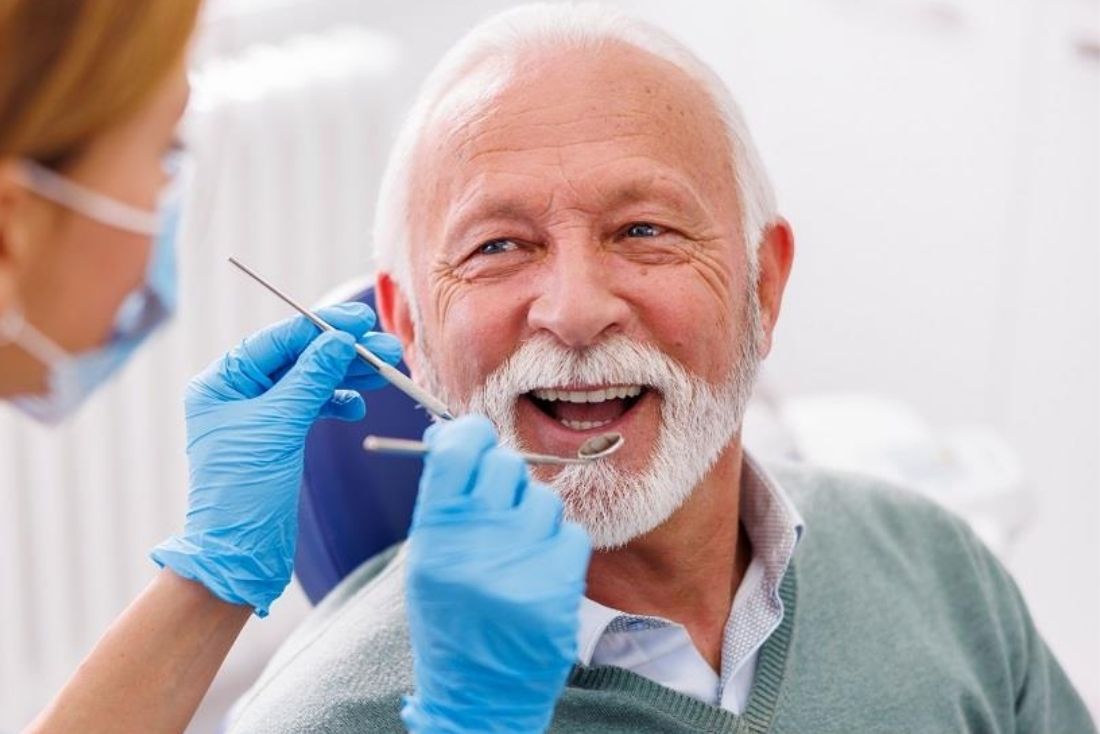
Benefits of Dental Crowns
Saving a Tooth That Would Otherwise Be Lost
The primary purpose of a crown is preservation. When a tooth has experienced enough structural damage that the remaining enamel and dentine cannot support a direct restoration, a crown encapsulates the remaining structure and holds it together under the forces of daily biting and chewing. For patients whose alternative is extraction, a crown represents the opportunity to keep a natural tooth that would otherwise need to be replaced with an implant, bridge, or denture. Natural teeth, with properly placed crowns, have a 90 to 95% survival rate at 10 years.
Protecting Teeth After Root Canal Treatment
Teeth that have undergone root canal treatment are particularly vulnerable to fracture. Once the pulp is removed, the tooth no longer receives internal moisture and becomes brittle over time. Without crown protection, a root canal-treated molar is at significant risk of cracking under normal chewing forces, and a crack severe enough can make the tooth unrestorable. Placing a crown promptly after root canal treatment is one of the most important steps in protecting that investment.
A Natural-Looking Result That Functions Like a Real Tooth
Modern crown materials, particularly zirconia and layered porcelain, are designed to replicate the translucency and color of natural tooth enamel so closely that most patients cannot identify a crowned tooth simply by looking at it. The fabrication process involves precise shade matching and careful attention to the shape and contour of the surrounding teeth so the final crown integrates seamlessly into the patient’s smile while functioning identically to the natural tooth it covers.

Why Choose Cape Coral Dentistry
For Dental Crowns?
Crown preparation and placement require careful execution at every step, from the precision of the tooth reduction to the accuracy of the impression to the quality of the cementation. Dr. Wesley Nelson approaches every crown case with the attention to detail that produces a result that fits properly, looks natural, and lasts. The practice works with high-quality dental laboratories and reviews each crown at delivery before cementing, making any adjustments needed to ensure the fit, bite, and aesthetics meet the patient’s expectations. Temporary crowns are placed between appointments to protect the tooth and maintain function while the permanent crown is being fabricated.
Key Findings
Approximately 1 in 4 adults has at least one tooth that is cracked, severely decayed, or structurally compromised beyond what a filling can adequately restore
Dental crowns have a 90 to 95% survival rate at 10 years, making them one of the most reliable and durable restorations in general dentistry
Teeth that have undergone root canal treatment are significantly more vulnerable to fracture without crown protection, and placing a crown promptly is critical to long-term success
Cracked tooth syndrome affects an estimated 15% of adults, producing sharp pain with certain bite pressures, and crowns resolve this in the majority of cases by stabilizing the crack
Zirconia and porcelain crowns match the color of natural teeth closely, eliminating the visible metal margins associated with older crown styles
The cost of a crown is consistently lower than the cost of extracting the tooth and replacing it with an implant or bridge, making crown placement the more economical long-term decision in most cases
Looking for a New Dentist in Cape Coral?
Cape Coral Dentistry offers a full range of dental services for patients of all ages, all delivered by Dr. Wesley Nelson and his knowledgeable, friendly team in a comfortable boutique office setting. As a family-owned and operated practice, the team is built around honest care, transparent pricing, and personalized treatment plans that reflect each patient’s actual needs and budget. New patients are welcome, same-day appointments are available, and affordable specials starting at $59 make it easy to get started. Whether you need a routine cleaning or a complete smile restoration, Dr. Nelson and his team are equipped to handle your care from start to finish in one convenient location.

Why Dental Crowns Matter
(prevalence of conditions vs. outcomes with crowns at Cape Coral Dentistry)
How common the problem is
Risk Reduction / Outcome with Treatment
Severely decayed or damaged teeth
Full coverage restoration
100
95
Teeth after root canal
Post-endodontic protection
100
85
Cracked tooth syndrome
Fracture stabilization
15
90
0%
10%
20%
30%
40%
50%
60%
70%
80%
90%
100%
0%
50%
100%
| Condition / What Crowns Address | How Common the Problem Is | Risk Reduction / Outcome with Treatment |
|---|---|---|
| Severely decayed or damaged teeth Full coverage restoration | Approximately 1 in 4 adults has a tooth structurally compromised beyond what a filling can repair | Crowns achieve a 90 to 95% survival rate at 10 years, preventing further breakdown and extraction |
| Teeth after root canal Post-endodontic protection | Root canal-treated teeth become brittle and are at high risk of fracture without crown coverage | Crowns reduce post-root canal fracture risk by up to 85%, protecting the treated tooth long-term |
| Cracked tooth syndrome Fracture stabilization | An estimated 15% of adults have cracked tooth syndrome causing pain with certain biting pressures | Crowns stabilize the crack and eliminate bite pain in over 90% of cases |
Sources: ADA | NIDCR | AAE | Journal of Prosthetic Dentistry | Journal of Endodontics | AGD
Read Our Verified 5-Star Reviews
Your Trusted Cape Coral Dentist


“A crown is always a last resort in the sense that we only recommend it when a tooth genuinely needs it, but when it is the right call it makes an enormous difference. We are talking about keeping a tooth that would otherwise be gone, often for another decade or more with proper care. That is worth a great deal to most patients once they understand what the alternative looks like.”
Dr. Wesley Nelson
Questions Cape Coral
Dental Patients Ask
How do I know if I need a crown or a filling?
The determining factor is how much healthy tooth structure remains after the damaged area is removed. When enough sound enamel and dentine remain to support and retain a direct filling, a filling is the appropriate and preferred option. When the decay or fracture is so extensive that the remaining tooth structure cannot reliably hold a filling, or when a cusp has broken away, a crown is typically needed to restore the full contour and strength of the tooth. The team evaluates each situation individually and will explain the reasoning behind any recommendation.
What materials are dental crowns made from?
The most commonly used crown materials at Cape Coral Dentistry are zirconia and porcelain-fused-to-zirconia, both of which are tooth-colored, highly durable, and biocompatible. All-porcelain crowns offer excellent aesthetics and are used in areas where translucency is particularly important for a natural look. The team selects the most appropriate material based on the tooth’s location in the mouth, the forces it will be subjected to, and the patient’s aesthetic priorities.
How long does the crown process take?
A traditional crown requires two appointments separated by one to two weeks. At the first appointment, the tooth is prepared, an impression is taken, a temporary crown is placed, and the shade is selected. The permanent crown is fabricated in a dental laboratory and placed at the second appointment, where the fit, bite, and appearance are evaluated and the crown is permanently cemented. The team provides a clear timeline at the first appointment.
How long do dental crowns last?
With proper care, well-placed crowns routinely last 10 to 15 years or more. Longevity depends on the material used, the forces the crown is subjected to, and how consistently the patient attends routine dental exams where the crown and its margins can be monitored. Patients who grind their teeth are advised to wear a nightguard to protect their crowns from the accelerated wear that bruxism causes.
How much do dental crowns cost at Cape Coral Dentistry?
Crown costs vary based on the material selected and the complexity of the preparation. Most PPO dental insurance plans cover a portion of crown costs when the clinical need is documented, and the team works with patients to maximize their benefits. The out-of-pocket portion varies by plan and the specific tooth being treated. CareCredit financing is available for patients who prefer to spread costs over time, and a complete estimate is provided before treatment begins.